Dalla fibra al territorio: il Biella Master nelle farm Reda in Nuova Zelanda
12 ore fa
Tempo di lettura: 7 min
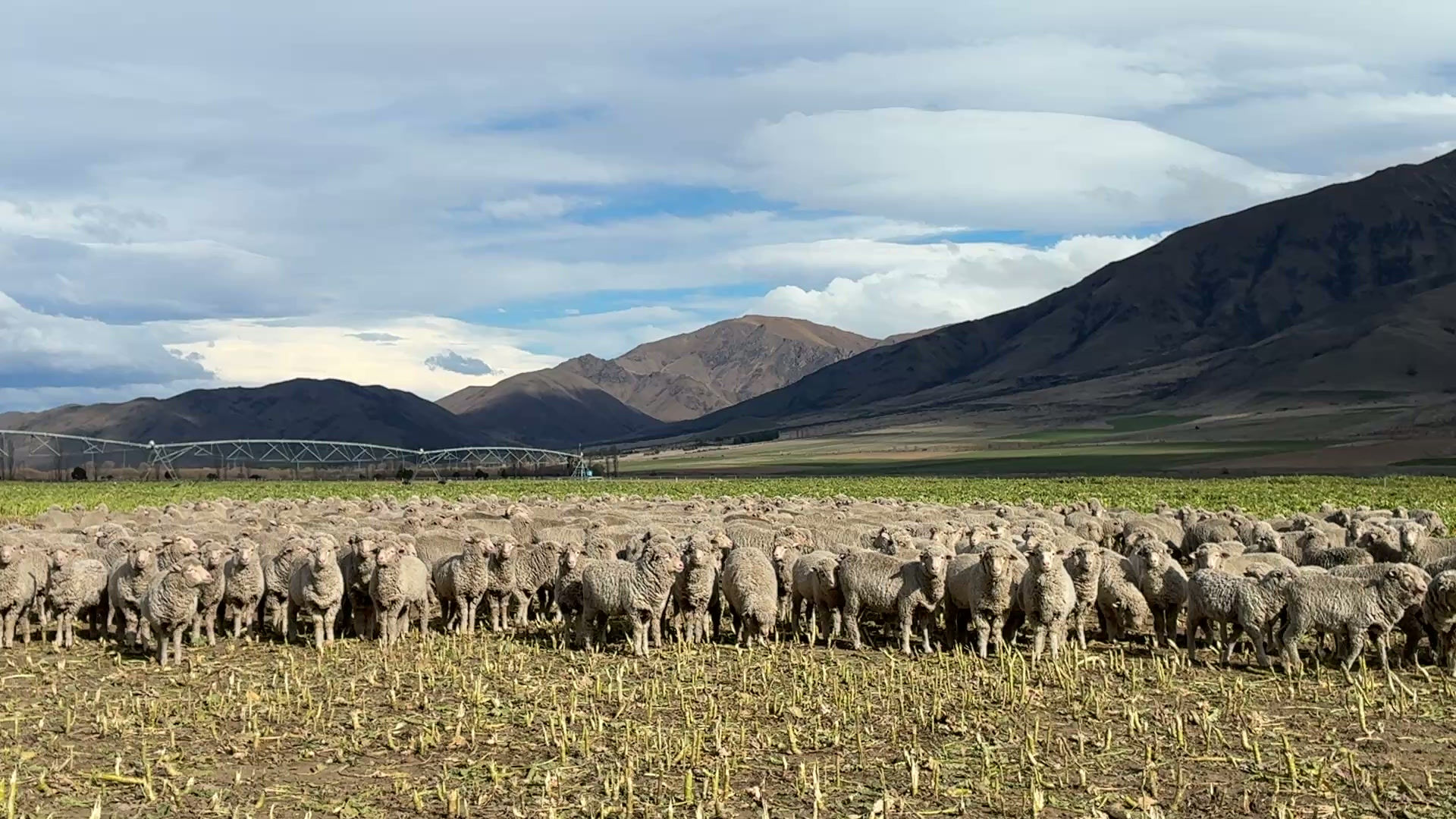
La lana rappresenta da sempre una componente importante della storia produttiva della Nuova Zelanda, dove l’allevamento ovino ha contribuito in modo significativo allo sviluppo dell’economia rurale e continua a caratterizzare ampie aree del Paese. In questo contesto si inserisce la presenza di Reda, che ha scelto di avvicinarsi direttamente all’origine della propria materia prima, rafforzando il controllo e la conoscenza di una filiera verticalizzata che accompagna la lana dalla fibra fino al tessuto finito. Dal 2009 Reda collabora inoltre con Zentera Wool Company, realtà che svolge un ruolo di collegamento tra gli allevatori e i brand, occupandosi della commercializzazione della lana e lavorando a stretto contatto con le farm per garantire continuità, tracciabilità e standard qualitativi elevati. In questo percorso rientrano anche programmi come ZQ e ZQ+, orientati a promuovere pratiche sempre più attente alla qualità della fibra, al benessere animale e alla gestione responsabile del territorio. È proprio dagli uffici Zentera di Christchurch che ha avuto inizio la nostra esperienza neozelandese. L’incontro con le Customer Success Manager responsabili rispettivamente del mercato europeo e dell’area Australasia ci ha permesso di comprendere più da vicino il ruolo dell’azienda e il rapporto costruito con gli allevatori. Dalla dimensione commerciale siamo poi passati direttamente all’origine della fibra, raggiungendo Otamatapaio Station, proprietà Reda che ci ha ospitati durante la permanenza nelle farm. La prima esperienza sul campo ci ha portati a Glenburn, azienda il cui business è principalmente legato all’allevamento destinato al mercato della carne. Qui abbiamo preso parte alle operazioni di pesa e selezione degli agnelli, osservando direttamente alcune delle attività che scandiscono la gestione quotidiana della farm. Camminare attraverso i pascoli ci ha permesso anche di conoscere meglio un sistema di allevamento fortemente legato alle risorse del territorio. Accanto alle aree destinate al pascolo vengono infatti coltivate specie utilizzate per integrare l’alimentazione degli animali, come il cavolo per gli ovini e la barbabietola da foraggio per i bovini, anch’essi presenti nella proprietà. Fin dai primi momenti abbiamo inoltre potuto osservare il ruolo essenziale dei cani da pastore: veri e propri compagni di lavoro dei farmers, capaci di guidare e radunare le greggi su superfici vastissime e spesso difficili da raggiungere. Il clima neozelandese ha però presto imposto i propri tempi. La grande variabilità meteorologica, particolarmente evidente alla fine dell’inverno, ha determinato una breve interruzione delle attività programmate, ricordandoci quanto il lavoro in farm sia inevitabilmente legato alle condizioni ambientali e richieda una continua capacità di adattamento. Tornati sul campo, abbiamo visitato Otamatapaio, dedicata all’allevamento di pecore Merino. È qui che abbiamo percepito concretamente la vastità degli spazi in cui vivono gli animali: i pascoli si estendono dalla valle fino ai crinali più elevati, in un paesaggio estremamente vario che restituisce immediatamente la dimensione e la complessità della gestione di queste proprietà. A pochi chilometri di distanza abbiamo raggiunto Rugged Ridges, gestita insieme a Otamatapaio. Le condizioni meteorologiche avevano però anticipato le operazioni di tosatura rispetto al nostro arrivo e le greggi erano già tornate sui pascoli delle colline. Anche questo imprevisto si è rivelato rappresentativo di una realtà nella quale programmi e attività devono necessariamente seguire i ritmi degli animali, del territorio e del clima. Durante la permanenza abbiamo avuto inoltre l’opportunità di conoscere uno dei consulenti delle farm, che affianca i farmers nella pianificazione delle attività e nella definizione del budget annuale. È stato proprio grazie a lui che abbiamo potuto raggiungere Glenrock Station e assistere a uno dei momenti che più attendevamo: la tosatura delle pecore Merino. Assistere direttamente alla tosatura è stato uno dei momenti più significativi dell’intera esperienza. Per noi studenti del Biella Master delle Fibre Nobili ha significato osservare all’origine quella materia prima che, durante il nostro percorso, avevamo fino ad allora conosciuto soprattutto nelle successive fasi di trasformazione. A colpirci è stato innanzitutto il ritmo delle operazioni: regolare, incalzante e frutto di una precisa organizzazione. I movimenti rapidi, sicuri e coordinati dei tosatori sembrano quasi seguire una coreografia, mentre attorno a loro ogni persona svolge un compito ben definito. Il vello appena tosato viene raccolto, lanciato sul tavolo e sottoposto a una prima suddivisione; contemporaneamente le postazioni vengono mantenute costantemente pulite per evitare contaminazioni tra fibre di diversa provenienza e qualità. Fondamentale è poi il lavoro del wool classer, che attraverso una valutazione visiva e tattile analizza le caratteristiche della fibra e suddivide i velli in categorie omogenee. Un passaggio rapido solo in apparenza, dietro al quale si trovano esperienza, competenza e una conoscenza profonda della materia prima. Anche noi abbiamo potuto prendere parte alle attività, aiutando, dopo la tosatura, nell’applicazione del trattamento antiparassitario sul dorso degli animali. Un gesto semplice, ma che ci ha permesso di non essere soltanto spettatori e di vivere ancora più da vicino il lavoro quotidiano della farm. La permanenza nelle proprietà neozelandesi di Reda ci ha così consentito di osservare la filiera da una prospettiva nuova: prima ancora che la lana entri in stabilimento, esistono territorio, animali, competenze e decisioni quotidiane che contribuiscono a determinarne la qualità. Conoscere direttamente questo primo anello della filiera ha dato concretezza a molti degli aspetti affrontati durante il nostro percorso formativo e ci ha permesso di comprendere ancora meglio quanto lavoro si trovi dietro una fibra prima che questa possa diventare filato e, infine, tessuto.
From Fibre to the Land: The Biella Master at Reda’s New Zealand Farms
Wool has long played an important role in New Zealand’s productive history, with sheep farming contributing significantly to the development of the country’s rural economy and continuing to shape vast areas of its landscape. It is within this context that Reda established its presence in New Zealand, choosing to move closer to the source of its raw material and strengthening its knowledge and control of a vertically integrated supply chain that takes wool from fibre to finished fabric. Since 2009, Reda has also worked with Zentera Wool Company, which acts as a link between farmers and brands, managing wool sales while working closely with farms to ensure continuity, traceability and consistently high quality standards. This approach also includes programmes such as ZQ and ZQ+, which promote practices increasingly focused on fibre quality, animal welfare and responsible land management. Our New Zealand experience began at Zentera’s offices in Christchurch. Meeting the Customer Success Managers responsible for the European and Australasian markets respectively gave us a closer understanding of the company’s role and of the relationships it has built with farmers. From the commercial side of the supply chain, we then moved directly to the source of the fibre, travelling to Otamatapaio Station, a Reda-owned property that became our base during our time on the farms. Our first hands-on experience took us to Glenburn, a farm whose business is primarily focused on livestock for the meat market. Here, we took part in weighing and selecting lambs, gaining first-hand insight into some of the activities that shape the daily management of the farm. Walking through the pastures also allowed us to better understand a farming system deeply connected to the resources of the land. Alongside grazing areas, crops are grown to supplement the animals’ diet, including kale for sheep and fodder beet for cattle, which are also raised on the property. From the very beginning, we were also able to appreciate the essential role played by working dogs: true partners to the farmers, helping to move and gather flocks across vast and often difficult-to-reach areas. New Zealand’s weather, however, soon imposed its own schedule. The considerable variability in conditions, particularly evident towards the end of winter, brought our planned activities to a temporary halt and reminded us just how closely farm work depends on the environment and how much adaptability it requires. Once conditions allowed us to return to the field, we visited Otamatapaio, where Merino sheep are raised. It was here that we truly appreciated the scale of the land available to the animals: pastures stretch from the valley floor to high ridgelines, creating a remarkably varied landscape that immediately conveys the scale and complexity involved in managing these properties. Just a few kilometres away, we reached Rugged Ridges, which is managed together with Otamatapaio. Due to the weather conditions, shearing had already been completed before our arrival and the flocks had returned to the hillside pastures. This unexpected change of plan was itself representative of a reality in which activities and schedules must inevitably follow the rhythms of the animals, the land and the weather. During our stay, we also had the opportunity to meet one of the farms’ consultants, whose responsibilities include supporting farmers in planning operations and defining the annual budget. Thanks to him, we were able to travel to Glenrock Station and finally witness one of the moments we had been most looking forward to: the shearing of Merino sheep. Watching the shearing process first-hand was one of the most meaningful moments of the entire experience. As students of the Biella Master delle Fibre Nobili, it gave us the opportunity to see at its very source a raw material that, throughout our studies, we had previously encountered mainly during the subsequent stages of its transformation. What struck us first was the pace of the operations: steady, intense and driven by precise organisation. The shearers’ fast, confident and coordinated movements almost resemble a choreography, while everyone around them performs a clearly defined task. Once removed, each fleece is collected, thrown onto the table and subjected to an initial separation, while the shearing stations are kept constantly clean to prevent contamination between fibres of different origins and qualities. The role of the wool classer is equally fundamental. Through rapid visual and tactile assessment, the classer evaluates the characteristics of the fibre and sorts the fleeces into uniform categories. It is a process that only appears simple and immediate: behind every decision lie experience, expertise and an in-depth knowledge of the raw material. We were also able to take an active part in the work, helping to apply an antiparasitic treatment to the sheep after shearing. It was a simple task, but one that allowed us to move beyond being mere observers and experience the everyday work of the farm even more directly. Our time on Reda’s New Zealand properties ultimately allowed us to look at the supply chain from a new perspective: before wool ever enters a mill, there is a whole world of land, animals, expertise and daily decisions that contributes to determining its quality. Experiencing this first link in the supply chain first-hand gave tangible meaning to many of the topics explored throughout our studies and allowed us to better understand how much work lies behind a fibre before it can become yarn and, ultimately, fabric.



Commenti